The Smart Way Hotel Cut Costs Using Open-Source Software
Running a hotel is expensive. Payroll keeps rising. Energy bills are unpredictable. Guests expect fast Wi-Fi, mobile check-in, and a smooth booking experience.
At the same time, profit margins stay tight.
Many hotel owners think the solution is buying a large, all-in-one hotel management solution. These platforms promise to handle everything. But they often come with high fees and long contracts.
There is another option.
More hotels are cutting costs by using open-source software. These tools are flexible, affordable, and reliable. When used correctly, they can lower expenses without hurting the guest experience.
Let’s break down how it works.
What Is Open-Source Software?
Open-source software is software that anyone can use and modify. The code is public. That means developers can adjust it to fit specific needs.
Unlike traditional hotel systems, open-source tools do not lock you into one vendor. You are not forced to pay high license fees year after year, and you also avoid surprise price increases.
You still need hosting and technical support. But you control how much you spend and who you work with.
For hotels trying to manage tight budgets, that control matters.
Replacing Expensive Property Management Systems
Many hotels use systems like Opera PMS or Cloudbeds. They handle reservations, billing, housekeeping, and reports.
But they can be costly.
Hotels often pay monthly fees per room. There may also be setup charges, training costs, and add-on fees. Over time, the total cost grows.
Some independent hotels are choosing open-source platforms such as QloApps.
With a comprehensive hospitality technology ecosystem, including the PMS, Hotel website, Booking Engine, and Channel Manager, to streamline your hotel management and reservation process.
The difference is simple. Instead of paying ongoing license fees, the hotel mainly pays for hosting and occasional technical help.
For a small 40- or 50-room property, that can mean thousands saved each year.
Lowering IT and Server Costs
Hotels often spend more on IT than they realize.
Servers need licenses. Operating systems cost money. Updates may require paid upgrades.
Using Linux instead of paid operating systems can reduce these expenses.
Linux is stable, secure, and widely used in business environments.
It can run:
- Front desk systems
- Accounting software
- Web servers
- Internal databases
Another benefit is performance. Linux often works well on older hardware. That means hotels can extend the life of their computers instead of replacing them.
Less hardware spending equals lower capital costs.
Cutting Website and Booking Fees
Online travel agencies charge high commissions. Many hotels pay 15 to 25 percent per booking.
A strong website helps increase direct bookings. But custom-built websites can also be expensive.
Open-source tools like WordPress allow hotels to build and manage their own websites.
Themes and plugins make it easier to design professional pages without hiring a large agency.

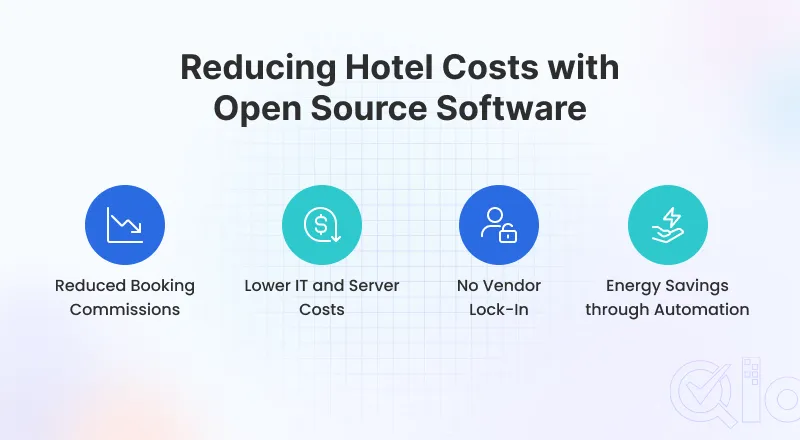
Hotels can also connect booking tools directly to their system. This reduces reliance on expensive third-party booking engines.
Even a small rise in direct bookings can reduce commission costs over time. That money goes straight back into the business.
If you’re looking for practical ways to increase direct bookings for hotels, strengthening your website and booking engine should be your priority.
Managing Energy More Efficiently
Energy is one of the highest costs in hospitality. Heating and cooling empty rooms wastes money.
Lights left on in unused spaces increase bills.
Open-source automation tools like Home Assistant allow hotels to create smart controls at a lower cost.
With simple automation, hotels can:
- Lower room temperature after check-out
- Turn off the lights when rooms are vacant
- Track energy usage in real time
- Spot equipment problems early
Large commercial automation systems can be very expensive.
Open-source solutions allow hotels to start small. They can test one floor or one section before expanding.
This step-by-step approach reduces risk and upfront investment.
Avoiding Vendor Lock-In
One hidden cost in hotel technology is vendor lock-in.
When a hotel signs a long contract, switching later becomes difficult. Data transfers may cost money. Staff must learn a new system. Some vendors charge early termination fees.
Open-source software reduces this problem. Because the code and data are accessible, hotels are not tied to one provider.
They can change developers, move hosting services, and adapt the system as their needs change.
That flexibility protects long-term budgets.
Paying Only for What You Need
Many large hotel systems come with features you may never use. Yet you still pay for them.
Open-source software allows more control. Hotels can build only the features they need.
For example:
- A simple housekeeping dashboard
- A custom report for revenue tracking
- A tailored loyalty program
Boutique and independent hotels often have unique workflows. Open-source systems adapt more easily than rigid, pre-built packages.
This prevents overspending on unnecessary tools.
Is Open-Source Right for Every Hotel?
Not always.
Open-source systems require planning. Hotels need either in-house technical skills or a trusted technology partner.
Security must be taken seriously. Backups must be managed properly. Updates should not be ignored to avoid a hotel data breach.
But these responsibilities exist with any system. The difference is that open-source gives hotels more control over how those tasks are handled.
The best approach is gradual change.
Start with the website. Then review back-office systems. Later, consider automation and energy management. Measure savings at each stage.
Step-by-step improvements reduce risk.
The Long-Term Financial Impact
Hotels that switch to open-source solutions often see:
- Lower recurring software fees
- Reduced commission costs
- Better control over data
- Greater flexibility in operations
- Slower hardware replacement cycles
Over several years, the savings can be substantial.
Technology should support hospitality. It should not drain profits.
Open-source software gives hotels a practical way to lower costs while staying modern and competitive.
It allows owners to focus spending where it matters most: guest experience, staff training, and property improvements.
In a competitive market, smart cost control can make the difference between struggling and thriving.
And sometimes, the smartest investment is choosing tools that keep your business in control.
Conclusion
Reducing costs in a hotel does not always require large investments. Sometimes, it’s about making smarter technology choices.
Open-source solutions give hotels more control, lower recurring expenses, and the flexibility to grow without unnecessary costs.
By adopting the right tools step by step, hotels can stay efficient, competitive, and profitable.
Get In Touch
Looking to reduce your hotel’s operational costs without compromising on efficiency? Let’s work together with QloApps to make it happen!
QloApps provides a complete solution, including a PMS, Booking Engine, Hotel Website, and Channel Manager, helping you streamline your operations and manage bookings effortlessly.
You can download and install QloApps on your system or server.
If you have any further topics to discuss, please contact our QloApps Support Team.