Guest Loyalty Strategies for Independent Hotels
Independent hotels don’t always have the same resources as large hotel chains. There are no big loyalty apps or huge marketing budgets.
Still, many independent hotels manage to bring guests back again and again. The reason usually isn’t price. It’s the experience guests remember after they leave.
That’s what guest loyalty strategies are really about. When guests feel valued, they’re much more likely to return instead of trying another hotel next time.
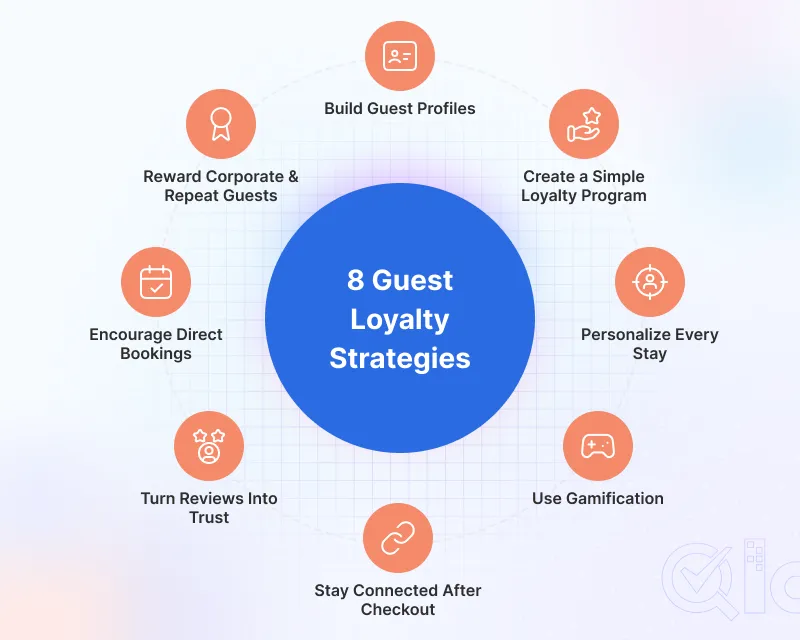
Here are eight simple guest loyalty strategies that can help independent hotels build lasting relationships with their guests and increase repeat bookings.

How Guest Profiles Help You Personalize Every Stay
Every guest leaves behind valuable information, from room preferences and special requests to feedback from previous stays.
Many hotels never record this information, even though it’s some of the most valuable data they already have.
Once guest information is stored consistently, patterns become much easier to identify.
You’ll start to see which guests actually come back, not just who says they will.
That’s the real benefit of measuring guest loyalty properly, instead of relying on guesswork.
From there, you can reward your most loyal guests with personalized upgrades, exclusive offers, or special perks based on real insights.
Why a Simple Loyalty Program Encourages Repeat Bookings
You don’t need a complex points program. Many small hotels make loyalty programs more complicated than they need to be.
Guests mainly want to feel appreciated for choosing your hotel again.
A free breakfast, a small discount, or a complimentary room upgrade doesn’t have to be expensive to make an impression.
What kills a loyalty program fast is complexity. If guests can’t explain the rules to a friend in one sentence, it’s too complicated.
Worth checking out how hotel loyalty programs are evolving if you want ideas beyond the basic points-for-stays model.
Personalizing Every Guest Touchpoint Builds Lasting Trust
Using someone’s first name in an email isn’t personalization. That’s simply using guest data, not personalizing the experience.
Real personalization means acting on what you already know. If a guest requested a quiet room last time, offer one again without being asked.
It sounds like a small gesture, and it usually is. But guests remember being remembered, and that’s worth more than most marketing spend.
Hotels that lean into this kind of detail tend to build guest loyalty strategies that actually stick, rather than ones guests forget by checkout.
Using Gamification to Make Hotel Loyalty More Engaging
A loyalty program doesn’t have to focus only on points. Small challenges, milestones, and rewards can make the experience much more enjoyable for guests.
Add a bit of play, though, and things change. Reward points for checking in on time, trying the restaurant, or tagging the hotel on social media.
Some independent hotels are already adapting gamification strategies for guest experience from bigger brands, just scaled down.
Even something as simple as a milestone reward for a third stay works. Guests like seeing progress more than they like the prize itself.
Staying Connected With Guests After They Check Out
A guest’s stay may end at checkout, but your relationship with them doesn’t have to.
A short thank-you note or a quick survey helps keep your hotel top of mind.
Newsletters help too, but only if they’re useful. Nobody wants another generic “book now” email sitting in their inbox.
This is one of the more overlooked guest loyalty strategies out there, mostly because it costs almost nothing to do.
Hotels maximizing repeat bookings during peak season usually credit this exact habit.
A one-line note referencing a guest’s last stay tends to land better than any templated offer ever could.
Turning Guest Reviews Into Trust Signals
Reviews aren’t just for new guests deciding whether to book. Returning guests read them too, and notice how you respond.
Answering reviews, even the mildly critical ones, says more about your hotel than most marketing copy does.
Displaying real guest testimonials and reviews on your website builds trust with both new and returning guests.
It also encourages potential guests to book with greater confidence.
Making Direct Booking the Obvious Choice for Guests
One trend many hotels notice is that guests who book directly tend to be more loyal than guests who book through an OTA.
It makes sense because they took the extra step of finding your website instead of clicking an OTA listing.
Reward those guests with a small perk, such as early check-in or a complimentary amenity that’s not available through third-party platforms.
Over time, guests start associating your website with better treatment, not just a booking form. That’s what good guest loyalty strategies do.
Treating Corporate and Returning Guests Like VIPs
Corporate travelers and regulars are often the quiet backbone of an independent hotel’s revenue.
They’re not looking for gimmicks. Faster check-in, a room they already know, maybe a rate they don’t have to negotiate every time.
Hotels that focus on attracting and retaining corporate guests often find that this group becomes one of their most reliable sources of bookings.
Conclusion
None of this requires new software or a big budget. Most of these guest loyalty strategies just need someone paying attention.
Consistency beats grand gestures almost every time. A remembered preference matters more than a flashy welcome gift used once.
Start with two or three of these guest loyalty strategies and build on them over time. Small, consistent improvements can lead to stronger guest relationships and more repeat bookings.
Get in Touch
Looking to build stronger guest relationships while simplifying daily hotel operations?
QloApps helps hotels manage reservations, operations, guest experiences, and revenue, all from a single dashboard.
Have suggestions? Join the QloApps Forum and share your thoughts.