Why Event-Based Travel is Booming in 2026
Travel patterns have been shifting over the last few years. One trend that keeps showing up more often is the rise of event-based travel in 2026.
You can usually notice this shift months before an event actually begins.
People are not just traveling to relax anymore. More often, there is a reason behind the trip. A match, a concert, or something happening at a specific time.
It could be a global sports tournament, a music festival, or even a cultural event. These things bring people together, and that changes how the whole trip feels.
In many cases, hotels prepare for this kind of demand using a hotel property management system to stay organized as bookings start increasing.
What is Event-Based Travel
Event-based travel is basically when the reason for the trip comes first.
Instead of picking a place and then figuring out what to do there, people already have something in mind. It could be a match, a concert, or even a festival they don’t want to miss.
Once that’s decided, everything else just falls into place. Flights, hotel bookings, even how many days to stay.
It may not seem like a big change at first, but it shifts how people approach travel decisions. That’s where the shift becomes easier to notice.
Why Travelers Are Choosing Experiences Over Destinations
Travel doesn’t feel the same for a lot of people anymore. Just seeing a place isn’t always enough.
What tends to stay longer are the moments. Being in a packed stadium, standing in a crowd at a concert, or just feeling the energy around an event creates a different kind of memory.
Because of this, people plan trips around experiences, not just places, often combining events with local activities to make the trip feel more complete.
This is where things like the Tours & Packages module in QloApps start to make sense, since hotels can offer more than just a room.
Impact of Global Events on Travel Demand
When something big gets announced, the change doesn’t take long to show.
You start noticing it in how quickly things get booked. Flights don’t stay available for long, and hotels begin filling up from multiple sources almost at the same time.
After a point, it doesn’t even feel gradual anymore. It just feels like everything is happening at once.
That’s when things can get a bit tricky, especially with availability. Keeping rooms updated across platforms isn’t always smooth during high-demand periods.
And this kind of sudden pressure is a big part of what’s driving event-based travel in 2026.
How Hotels Are Adapting to Event-Based Travel
Hotels have started adjusting to this pattern, even if things don’t always go perfectly.
They are not treating these periods like normal busy days anymore. There’s more preparation involved now.
Pricing gets adjusted, availability is handled more carefully, and teams try to stay ahead of the rush.
A lot of this also depends on how well internal operations are managed, especially when bookings and room allocation need to stay in sync.
That’s where systems built around managing hotel operations in one place start to make a noticeable difference.
Because once things pick up, there isn’t much room to fix mistakes. That’s where event-based travel in 2026 starts influencing daily operations.
The Role of Technology in Managing Event Rush
Handling a sudden increase in guests is not always smooth. Some days go well, some don’t.
Hotels need to keep track of bookings, room status, and guest requests at the same time. Without structure, things can get confusing quickly.
That’s why many teams focus on simplifying front desk workflows so check-ins and updates don’t slow everything down during peak periods.
Along with that, systems like QloApps help bring everything together so teams aren’t working in isolation.
This is one of the reasons event-based travel in 2026 is manageable even during busy periods.
Challenges Hotels Need to Handle
While the opportunity is clear, handling it isn’t always straightforward. When demand rises suddenly, everything starts moving faster than usual.
Teams have to deal with more check-ins, more requests, and less time to respond. Even simple tasks can feel heavier when the hotel is running at full capacity.
If things aren’t organized properly, small issues can quickly turn into bigger problems. A delay here or a missed update there can affect multiple guests at once.
Hotels that prepare early usually manage this better. Others often find themselves reacting as situations come up, which makes operations harder to control.

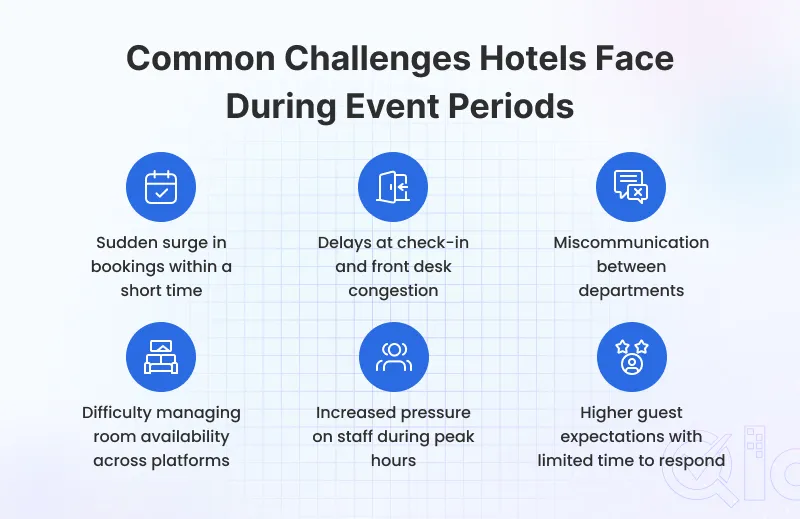
That’s why understanding this side of event-based travel in 2026 matters just as much as recognizing its growth.
Conclusion
When events are happening, travel doesn’t feel routine anymore. Everything moves a bit faster, and plans feel more fixed.
People are not just going somewhere for the sake of it. They are going because something is happening at that time.
From a hotel’s side, it’s not just about handling more bookings. It’s about keeping things steady when everything around starts getting busy.
That’s what really defines event-based travel in 2026.
Get In Touch
Handling event-driven demand is not always simple, especially when things start moving fast.
With QloApps, hotels can manage bookings, coordinate teams, and keep operations from getting confusing.
It helps bring everything into one place so staff can focus more on guests and less on managing tasks.
If you are preparing for upcoming events, having something reliable in place can make things easier.
Have questions or ideas? You can connect with the QloApps community and share your thoughts.