
Not long ago, hotels competed by adding more amenities. A larger TV, luxury toiletries, or a welcome gift often helped attract guests.
These extras still have value, but hotels are no longer enough to influence experience-first travelers decisions.
Today’s travelers want more than a comfortable room. They want a stay that feels easy, personal, and memorable.
Travelers want to discover the destination, enjoy smooth service, and feel valued from the moment they book until long after they check out.
These travelers are often called experience-first travelers. They don’t judge a hotel only by its rooms or facilities.
They remember how the hotel made them feel during the entire journey.
What Makes Experience-First Travelers Different?
Experience-first travelers look beyond price and amenities. Before booking, they compare reviews, hotel websites, and explore guest photos.
They want confidence that their stay will match their expectations.
For them, every interaction matters. A simple booking process, quick responses to questions, and clear communication all shape their first impression.
If the experience feels difficult before they even arrive, they are likely to choose another hotel.
This means hotels are no longer selling only rooms. They are selling convenience, trust, and memorable experiences.
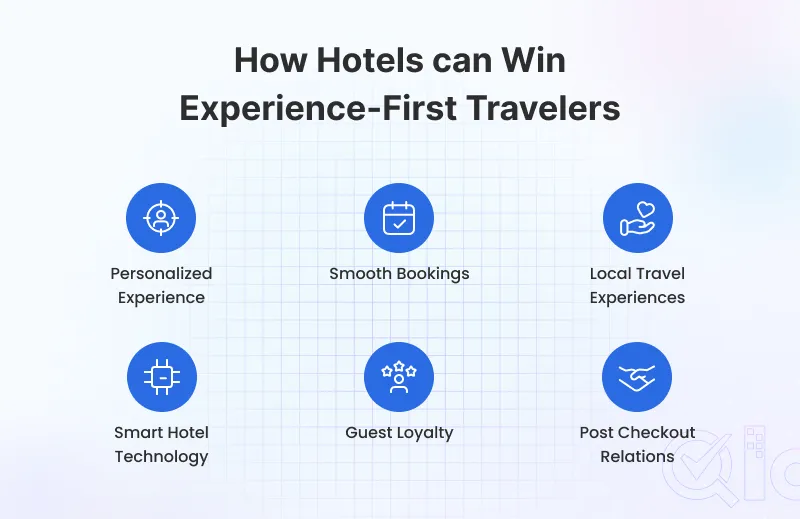
The Guest Experience Starts Before Check-In
Many hotels think guest experience begins at the front desk. In reality, it starts much earlier.
Imagine planning a weekend trip. You visit a hotel’s website, but the booking process is slow, room details are unclear, and prices seem confusing.
Even if the hotel has beautiful rooms, you may decide to book elsewhere.
Now imagine a different experience. The website is easy to use. Room details are clear. Booking takes only a few minutes. You receive an instant confirmation with useful travel information.
Before arriving, you already feel confident about your choice. That first impression often decides whether a guest books directly or leaves for another property.
Personal Service Creates Lasting Memories
People may forget the size of a hotel room, but they rarely forget how they were treated.Small personal touches often create the strongest memories.
Greeting returning guests by name, remembering their room preference, or recommending a nearby café based on their interests shows genuine care.
Personal service doesn’t have to be expensive. It simply requires paying attention to guest preferences and using that information to make every stay feel more welcoming.
When guests feel recognized, they are far more likely to return.
Help Guests Experience the Destination
Guests don’t travel just to stay inside a hotel. They travel to experience a new place.
Hotels can help guests explore the local area. They can recommend attractions, cultural events, and hidden places that many tourists miss.
Some hotels also partner with local businesses to offer guided tours or packages. This creates extra value for guests while generating extra revenue of hotel and the local community.
Instead of simply providing accommodation, hotels become trusted travel partners.
Remove Friction with Technology
One of the quickest ways to disappoint guests is to make them wait.Long check-in lines, delayed responses, or manual booking errors create unnecessary tension.
Technology helps remove these problems so that guests can spend more time enjoying their stay.
Features such as online check-in, automated booking confirmations, digital payments, and real-time housekeeping updates reduce delays for both guests and staff.
Behind the scenes, hotel teams also benefit. With fewer routine tasks to manage manually, they have more time to focus on providing excellent service.
Great People Make Great Experiences
Technology makes hotel operations more efficient, but staff create memorable experiences.
A warm welcome after a long journey, a quick solution to a guest’s problem, or a thoughtful recommendation can turn a usual stay into an exceptional one.
Hotels should encourage staff to take ownership and communicate with confidence. Staff can look for opportunities to exceed guest expectations.
These moments build trust and often become the reason guests leave positive reviews or return for another visit.
The Relationship Should Continue After Checkout
Checkout should not be the end of the guest journey. A simple thank-you email, a request for feedback, or a special offer for a future stay reminds guests that they are still valued.
The seasonal offers or new local experiences shared also gives them a reason to return. Strong relationships with guests are built over time, not during a single visit.
How QloApps Helps Hotels Deliver Better Guest Experiences
Creating memorable guest experiences is much easier when daily hotel operations run smoothly.
QloApps helps hotels manage reservations, room inventory, housekeeping, guest information, and direct bookings from one platform.
By automating routine tasks, hotel teams spend less time on manual work and more time focusing on guests.
Hotels can also use the Tours and Travel Packages add-on to offer local experiences during the booking process.
Guests can plan more of their trip in one place, while hotels create new revenue opportunities and deliver greater value.
Conclusion
Experience-first travelers are changing what usual guests expectations from hotels, place to sleep. They want a journey that feels simple, personal, and memorable from beginning to end.
Hotels that focus on every stage of the guest journey from booking and arrival to checkout and post-stay communication are more likely to earn trust, and build long-term guest loyalty.
In the end, winning experience-first travelers isn’t about offering more facilities. It’s about creating experiences that guests remember long after their trip is over.
Get In Touch
Ready to improve your hotel guest experience? Get in touch with our team to learn how QloApps can help your hotel deliver memorable guest experiences and increase direct bookings.
Have questions or ideas? Join the QloApps forum and share your thoughts. Need setup help? Raise a support ticket, and our team will help you

Be the first to comment.