
Hotels are paying much closer attention to pricing now as they try to attract foreign tourists in 2026.
Foreign travelers compare prices quickly. Many check different booking sites before choosing a hotel.
At the same time, pricing alone doesn’t really decide everything anymore.
Travelers also notice if booking is easy. Payment options and smooth checkout steps matter too.
Because of that, many hotels are focusing less on cheap pricing and more on the overall experience guests receive.
Why Foreign Tourists Compare Prices
Booking a hotel abroad takes more time than people expect. Most travelers check multiple websites before making a decision.
They compare prices and read reviews. Many also check what they get.
Most travelers do not want surprises after arriving. If pricing is unclear, they often look elsewhere.
Travelers are not always looking for the cheapest room. In many cases, guests just want to feel confident that the experience matches what they are paying for.
That’s one of the reasons hotels are adjusting pricing more carefully while trying to attract foreign tourists in 2026.
Dynamic Pricing During Peak Season
Room prices change often now. This happens more during holidays and events.
Hotels often change prices when demand increases. The challenge is keeping prices fair.
If prices suddenly jump too much, travelers notice it immediately. Some still book, but others start looking elsewhere.
Hotels that manage dynamic hotel pricing during peak season more carefully usually build more trust with foreign guests.
In many cases, fair and balanced pricing helps hotels attract foreign tourists in 2026 more effectively than aggressive discounts.
Why Experience Matters More Than Discounts
Lower room rates can attract attention, but they do not always convince people to book.
Many travelers simply want the stay to feel worth the price. Small things can matter more than discounts. Easy transport and local activities improve the stay.
Because of that, hotels now focus more on guest experience than on cheap room prices.
Many hotels now offer tour packages and local travel experiences to make stays feel more valuable.
Guests usually remember the experience more than the room price.
Managing Pricing Across Different Booking Platforms
Hotels often struggle to keep pricing the same across platforms.
Foreign travelers usually compare prices across OTAs and hotel websites before booking.
If room prices look very different across platforms, it can create confusion quite quickly.
Hotels now use systems to manage room availability and pricing across multiple booking channels automatically.
This matters even more during busy travel periods. Bookings can change quickly during the day.
Payment Convenience Also Affects Booking Decisions
Room pricing attracts attention first. But payment experience often decides whether guests complete the booking.
Foreign travelers prefer payment methods they already know. If payment feels confusing, many leave the booking page.
Hotels have started noticing this more now, especially with foreign guests booking directly through hotel websites.
Hotels that simplify payment and booking steps often find it easier to attract foreign tourists.
Balancing Pricing With Guest Experience
A fair room price may attract someone initially, but the overall experience is what people remember later.
Hotels can still leave a poor impression during busy hours. Slow check-ins and poor communication frustrate guests quickly.
That’s why hotels use systems to update room prices and availability automatically across booking channels.
This becomes more obvious when the guest experience feels slow or unorganized during check-in after a long trip.
Guests may forget the exact room price later, but they usually remember whether the experience felt easy or frustrating.
Using Hotel Systems to Handle Pricing More Smoothly
Managing pricing manually becomes difficult once bookings start increasing from multiple sources at the same time.
Hotels need to track open rooms, cancellations, and room prices together. Without proper coordination, mistakes happen easily.
This is where a hotel property management system helps hotels stay more organized while handling foreign bookings.
Having everything connected in one place also makes pricing decisions easier during high-demand periods.
Challenges Hotels Face While Attracting Foreign Travelers
Attracting foreign tourists sounds simple at first. But demand changes fast.
Hotels also face operational and pricing challenges during peak seasons.
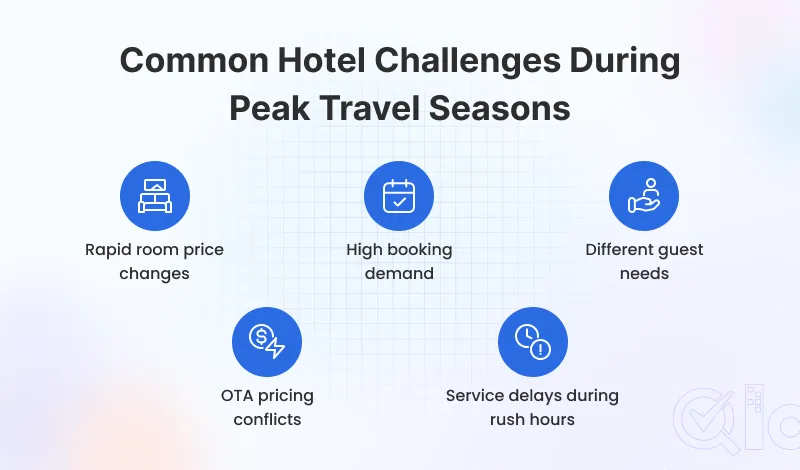
Some common problems include:
- Prices change quickly during peak seasons
- Different travelers expect different things
- Room availability changes throughout the day
- Booking platforms may show different prices
- Small delays can affect guest experience
That’s why many hotels keep adjusting their approach to attract foreign tourists in 2026.
Conclusion
Pricing matters more now than it did before. This is especially true for foreign travelers comparing different hotels.
Guests want more than cheap rooms. They also notice comfort, payment options, and good service.
Hotels that balance pricing and guest experience usually stand out more.
And in many ways, that balance is becoming one of the biggest factors helping hotels attract foreign tourists in 2026.
Get In Touch
Managing pricing and bookings becomes easier when hotel operations stay connected.
With QloApps, hotels can manage bookings and room availability more easily.
It helps hotels stay organized while adjusting pricing based on changing travel demand and occupancy trends.
If you are preparing to attract more foreign travelers in 2026, having the right system in place can make a real difference.Have suggestions? Join the QloApps Forum and share your thoughts.

Be the first to comment.