
Every few years, the World Cup reshapes travel patterns, driving strong World Cup hotel growth and lasting performance beyond the event.
It’s not just about football. It’s about people showing up.
Flights fill up, cities get crowded, and hotels quickly transition from steady to packed. This kind of travel surge during global sporting events is unlike anything else.
And honestly, when things are handled the right way, moments like this don’t just bring in short-term revenue.
Why This Event Feels Different
The FIFA World Cup 2026 isn’t like a typical holiday rush. The people coming in aren’t just tourists—they’re fans, groups, families, sometimes even people ticking off a once-in-a-lifetime experience.
This is what makes sports tourism accommodation demand so unique.
They usually stay longer, plan things in advance, and care a bit more about how their overall experience feels.
From a hotel’s side, a few things become obvious pretty quickly. Rooms don’t stay empty for long. Hotel occupancy rates during the World Cup rise sharply.
Prices start becoming more flexible. And expectations quietly go up, even if no one says it directly.
And that last part matters more than most people think.
Hotels that prepare early tend to handle this phase much more smoothly, while unprepared properties often struggle with last-minute pressure.
Rising Demand and Booking Surge
Booking activity usually starts months in advance. At first, it feels like a gradual increase, but soon it turns into a sharp rise in reservations.
This shift reflects broader hotel booking trends during major events.
It also highlights how World Cup hotel growth begins even before the event officially starts.
At some point, it stops feeling like “more bookings” and starts feeling like too many things happening at the same time.
Typical patterns look like this:
- Rooms are getting sold out well in advance
- Guests are staying longer than usual
- More group bookings than expected
And if your system isn’t built to handle that? Operations can become difficult very quickly.
Double bookings, confusion at check-in, and missed details can happen easily.
Hotels that already rely on automation or a hotel booking engine solution tend to handle this rush much better, especially when everyday front-desk work is already simplified before things get busy.
Pricing Strategy and Revenue Growth
Pricing becomes one of the most important factors during this period. High demand creates opportunities, but pricing decisions must still be balanced and thoughtful.
This is where dynamic pricing in hospitality becomes important.
Smart pricing strategies play a key role in maximizing World Cup hotel growth during peak demand.
Prices usually shift based on match days, location, or how close you are to key areas. But if it feels unreasonable, guests notice. Even if they still book, it doesn’t start off well.
At the same time, keeping prices too low can reduce potential revenue and limit FIFA World Cup 2026 hotel growth opportunities.
A balanced approach is essential for sustainable performance during this high demand period.
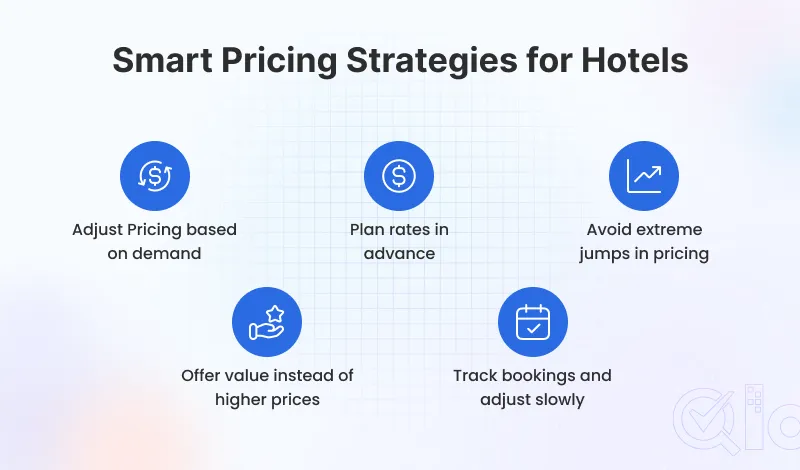
Smart Pricing Strategies for Hotels
- Adjust pricing based on demand
On days when matches are happening nearby, demand naturally goes up. Slight increases align with hotel revenue optimization strategies. - Plan rates in advance
Hotels that prepare early often manage hospitality industry growth opportunities more effectively. - Avoid extreme jumps in pricing
Gradual changes help maintain guest trust and improve booking confidence. - Offer value instead of just higher prices
Adding extras enhances the guest experience in hotels during events. - Track bookings and adjust slowly
This reflects a smarter approach to revenue management in hotels.
In the end, pricing during this period is not about achieving the highest possible rate, but about maintaining balance while maximizing World Cup hotel growth.
Hotel Operations Challenges
From the outside, a full hotel looks like success. But from inside, it can feel like pressure.
There’s housekeeping to manage, rooms to track, and staff to coordinate, all of it happening faster than usual.
This is where hotel operations management becomes critical.
Strong operations management ensures smooth performance and supports World Cup hotel growth during high-pressure periods.
If communication slips even a little, it shows up quickly. Rooms aren’t ready. Information gets lost. Teams fall out of sync.
Hotels that rely on centralized systems are better able to maintain control. It reduces errors and supports smoother execution, which is essential during peak periods like this.
Strong operations directly contribute to better FIFA World Cup 2026 hotel growth outcomes.
Managing International Guests Effectively
One interesting thing about the World Cup is the kind of crowd it brings.
You’re not just dealing with one type of traveler. It is a mix of different countries, expectations, and communication styles.
This diversity is a key part of global travel and tourism growth.
Some guests need more guidance. Others just want things to work without asking.
Key Ways to Improve Guest Experience:
- Provide basic of multilingual support
- Share simple local recommendations
- Be patient with communication gaps
- Offer clear and simple instructions
- Ensure a smooth, hassle-free experience
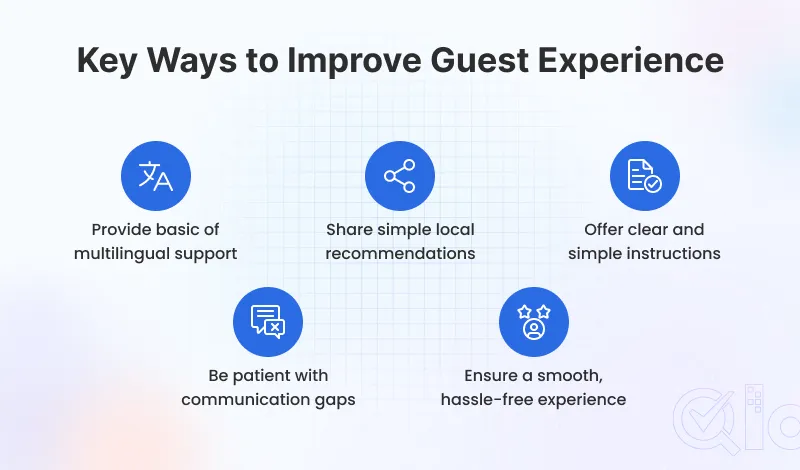
These are not major changes, but they are remembered and often reflected in online hotel reviews and ratings.
Post Event Opportunities and Long Term Hotel Growth
Once the event ends, things slow down again. But not everything goes back to how it was.
Hotels that handled things well often see:
- Better reviews
- Guests coming back later
- Increased word-of-mouth visibility
Over time, these effects contribute to sustained hotel growth. The results are not immediate, but they accumulate steadily.
That’s why this kind of event isn’t just about a few busy weeks; it can influence what comes next.
Conclusion
The FIFA World Cup 2026 brings a unique opportunity for hotels to grow and expand their reach.
From increased bookings to global exposure, the benefits are significant. It also highlights broader hospitality industry trends and evolving guest expectations.
But success depends on preparation, smart pricing, and efficient management.
Hotels that focus on operations, guest experience, and marketing can fully capitalize on World Cup hotel growth opportunities.
In many ways, this is not just a busy season—it’s a chance to build lasting growth.
Get In Touch
Making the most of an event like this often comes down to having the right support in place.
With QloApps, hotels can manage high booking volumes, streamline hotel booking management, and handle guest preferences without things getting overwhelming.
Have something in mind or want to explore more? You can join the QloApps forum and share your thoughts.
And if you need help setting things up, you can always raise a support ticket—we’re here when you need it.

Be the first to comment.